Celebrity
Inside The Diddy Trial: Key Moments And What They Mean

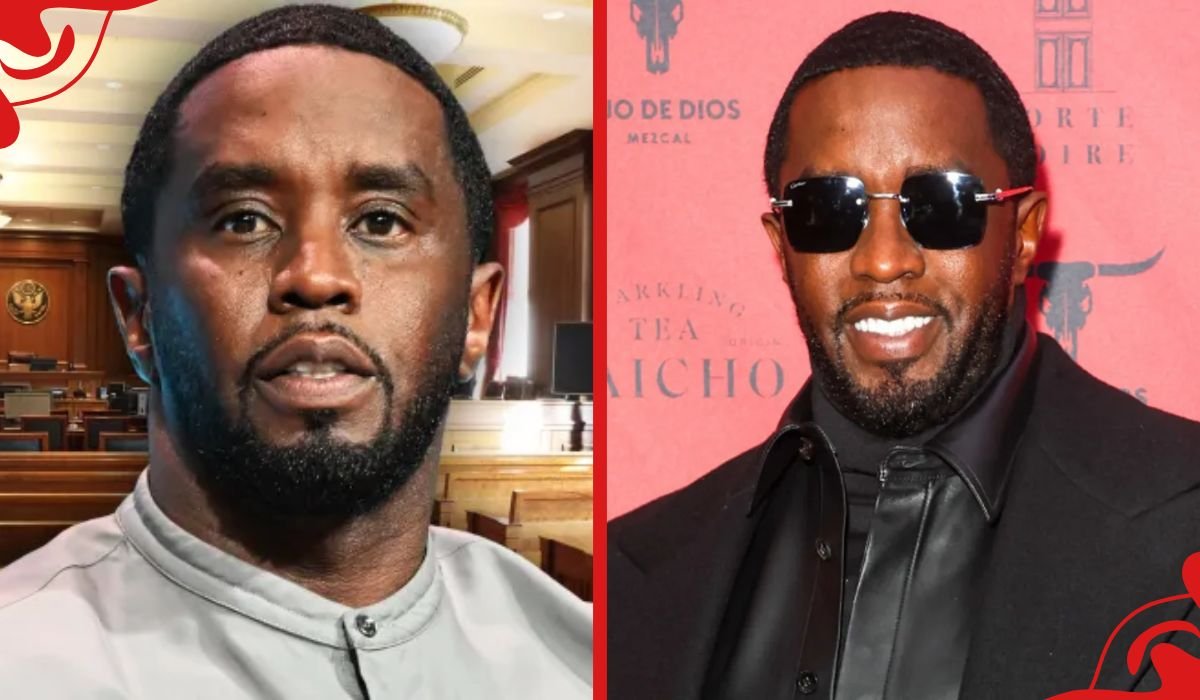
Introduction: Why The Diddy Trial Captivated The World
The Diddy Trial became one of the most closely watched legal battles in recent memory, drawing attention not only for the high-profile celebrity involved but also for the serious nature of the charges. Sean Combs, widely known as Diddy, Puff Daddy, or Puffy, has long been a towering figure in music, fashion, and popular culture. When the news broke that he was facing racketeering and sex trafficking charges, the public and media took notice immediately. The trial wasn’t just a courtroom drama—it was a cultural moment that raised questions about fame, accountability, and resilience. As Combs faced the possibility of a life sentence, the world watched to see how the mogul would respond.
Quick Bio Information About Sean Combs
Sean Combs’ life and career offer context for understanding the Diddy Trial:
Full Name: Sean John Combs
Stage Names: Diddy, Puff Daddy, Puffy
Birth Date: November 4, 1969
Birth Place: Harlem, New York City, USA
Occupation: Rapper, Producer, Entrepreneur
Major Achievements: Founder of Bad Boy Records, multiple Grammy Awards
Business Ventures: Ciroc Vodka, Sean John Clothing, Revolt TV
Legal History: First conviction during Diddy Trial, minor charges
Family: Father of four children
Net Worth: Estimated $900 million as of 2025
Overview Of The Charges
Sean Combs faced multiple serious allegations in the trial. The primary charges included racketeering and sex trafficking, two offenses that carry severe legal consequences. Racketeering, often associated with organized criminal activity, suggested a pattern of coordinated wrongdoing, while sex trafficking involved the exploitation and coercion of individuals for sexual purposes. Additionally, Combs was convicted of two counts of transportation to engage in prostitution, marking his first conviction in decades of a high-profile career. These charges framed the trial as both a legal and moral examination of one of music’s most influential figures.
Timeline Of The Trial
The trial unfolded over several weeks, with each day adding new layers of complexity. From the initial indictment to pre-trial motions and the eventual jury deliberations, every step was closely scrutinized. Witness testimony, evidentiary disputes, and courtroom drama all shaped the narrative. Media outlets provided continuous coverage, reporting on everything from Combs’ fashion choices to his demeanor under pressure. By the final days, the trial had become a story not only about law but also about reputation, strategy, and public perception.
Key Moments In Court
Several moments during the trial stood out and captured the attention of viewers. Combs’ calm, measured presence contrasted with the gravity of the charges. Witness testimonies offered conflicting narratives, and legal teams worked tirelessly to present persuasive arguments. High-stakes cross-examinations revealed tensions in the courtroom and tested the credibility of evidence. Observers noted Combs’ disciplined approach, suggesting a strategic effort to maintain composure and influence public perception. Each moment underscored the dramatic intersection of celebrity culture and legal procedure.
The Acquittal: What Happened
In a dramatic conclusion, Sean Combs was acquitted of the most serious charges, including racketeering and sex trafficking. The acquittal meant that Combs would avoid what could have been a life sentence, while still facing minor consequences for lesser charges. This outcome highlighted the complex nature of high-profile trials, where media scrutiny, legal expertise, and courtroom dynamics converge. The acquittal left many questioning not just the outcome, but the broader implications for accountability, celebrity privilege, and justice.
Sean Combs’ Reaction
Combs’ response in court was a defining moment. He mouthed “thank you” to the jurors, hands clasped in prayer, showing a mixture of relief, gratitude, and awareness of the moment’s gravity. Outside the courtroom, Combs remained composed, signaling to the public that he would continue to maintain his reputation and influence. His reaction was emblematic of his career-long ability to navigate challenges and reinvent himself, even in the face of serious allegations.
Impact On Reputation And Public Image
The trial inevitably impacted Combs’ public image. While the acquittal protected him from the most severe consequences, his association with the allegations has altered public perception. Some fans and observers expressed disappointment, while others emphasized his resilience and ability to rebound. The trial became a reminder that celebrity status can offer protection, but it also amplifies scrutiny. Combs’ handling of the situation demonstrated an understanding of the delicate balance between legal outcomes and cultural reputation.
Legal Analysis: What The Trial Means Legally
From a legal perspective, the trial provided insight into how complex cases involving celebrities are navigated. Acquittals on major charges suggest that the prosecution faced challenges in proving the case beyond a reasonable doubt. Lesser convictions, such as transportation for prostitution, indicate that some evidence was sufficient for a legal finding without implicating Combs in more serious criminal enterprise. The case reflects broader trends in criminal law, including the challenges of prosecuting high-profile defendants and the influence of media coverage on public understanding of legal processes.
Media Coverage And Cultural Significance
The Diddy Trial became a cultural event as much as a legal one. Media outlets dissected every detail, from courtroom behavior to social media reactions. The trial sparked conversations about wealth, fame, and accountability in the entertainment industry. It also raised questions about how the legal system treats high-profile individuals compared to ordinary citizens. Ultimately, the trial highlighted society’s fascination with celebrity culture and the intersection of public persona and legal accountability.
Lessons From The Trial
The trial offers lessons in resilience, reputation management, and the complexities of public life. Combs’ ability to maintain composure, leverage legal expertise, and manage media narratives illustrates how high-profile figures navigate crises. The case also demonstrates the importance of separating media spectacle from legal reality and recognizing that trials can have long-lasting consequences on both personal and professional levels. Observers can gain insight into how reputation, influence, and legal outcomes interact in the modern era.
The Road Ahead For Sean Combs
Looking forward, Sean Combs is expected to continue shaping his legacy while navigating the aftermath of the trial. He may emphasize a narrative of redemption, building on his career-long pattern of reinvention. Professionally, he remains influential in music, fashion, and business, and the trial could influence public engagement with his future projects. Personally, the experience may reinforce his approach to managing legal risks and public perception, underscoring the complexity of life at the intersection of fame and accountability.
FAQs About The Diddy Trial
What were the main charges in the Diddy Trial?
Sean Combs faced racketeering, sex trafficking, and transportation to engage in prostitution. He was acquitted of the most serious charges and convicted on lesser charges.
How did Sean Combs react to the verdict?
Combs mouthed “thank you” to the jurors and maintained composure, signaling relief and gratitude while managing public perception.
What is the significance of the acquittal?
The acquittal protected Combs from a life sentence and highlighted challenges in prosecuting high-profile individuals.
Did the trial affect Diddy’s reputation?
Yes, it altered public perception, though his handling of the trial reinforced his resilience and ability to manage crises.
What are the legal implications of the trial?
The case illustrates the difficulties of proving complex criminal charges, especially against celebrities, while demonstrating that lesser convictions still carry consequences.
How did the media cover the Diddy Trial?
Media outlets provided continuous coverage, analyzing courtroom events, public reactions, and the cultural impact of the trial.
What can we learn from the trial?
The trial offers insights into reputation management, resilience, and the intersection of fame, law, and public scrutiny.
People Also Read: Sarah Michelle Gellar: A Look at Her Life, Career, and Lasting Influence

Best Magic Hour Video Face Swap Tools of 2026 (Top Picks)

Who Is Aubrey O’Day? A Complete Look At Her Career, Fame, And Life Today

Who Is Ashley Benson? A Closer Look At The Actress Beyond Pretty Little Liars

Who Was Don Knotts? The Life And Legacy Of A Beloved Comedy Legend

Who Is Bindi Irwin? A Simple Look at Her Life, Family, And Conservation Work

Who Is Heidi Montag? A Closer Look At Her Life, Career, And Comeback

Who Is Ashley Olsen? A Simple Look At Her Life Beyond Child Stardom

Who Is Zaya Wade? Inside The Life Of Dwyane Wade’s Inspiring Daughter

Who Is Christina Hall? A Simple Look At Her Life, Career, And Success

Who Was Naya Rivera? A Heartfelt Look at Her Life, Career, and Lasting Impact

Melanie Sergiev: Bulgarian Athlete and Drew Lynch’s Wife – Her Inspiring Life Story

Who Is Nimesh Patel Wife? Everything to Know About Amy Havel Patel

Victoria Elizabeth Bateman: The Woman Behind Jason Bateman’s Success

Who Is Antonimar Mello? Inside the Life of Lisa Lisa’s Former Husband

Who Is Heidi May? Everything You Need to Know About Henry Rollins’ Wife and Her Creative Work

Who Is Cindy M Penny? The Private Life of Joe Penny’s Partner

Dennis Benatar: The Untold Story of Pat Benatar’s Ex-Husband and His Hollywood Career

Hyla Ross: Biography, Age, Net Worth, Height, Divorce, and Life Beyond the Spotlight

Who Is Chris Potoski? Everything To Know About Brandi Love’s Husband

Who Is Nanette Bledel? A Closer Look at Alexis Bledel’s Mother
Best Magic Hour Video Face Swap Tools of 2026 (Top Picks)
Who Is Aubrey O’Day? A Complete Look At Her Career, Fame, And Life Today
Who Is Ashley Benson? A Closer Look At The Actress Beyond Pretty Little Liars
Who Was Don Knotts? The Life And Legacy Of A Beloved Comedy Legend
Who Is Bindi Irwin? A Simple Look at Her Life, Family, And Conservation Work
Who Is Heidi Montag? A Closer Look At Her Life, Career, And Comeback
Who Is Ashley Olsen? A Simple Look At Her Life Beyond Child Stardom
Who Is Zaya Wade? Inside The Life Of Dwyane Wade’s Inspiring Daughter
Who Is Christina Hall? A Simple Look At Her Life, Career, And Success
Who Was Naya Rivera? A Heartfelt Look at Her Life, Career, and Lasting Impact

 Celebrity11 months ago
Melanie Sergiev: Bulgarian Athlete and Drew Lynch’s Wife – Her Inspiring Life Story
- Celebrity7 months ago
Who Is Nimesh Patel Wife? Everything to Know About Amy Havel Patel
- Celebrity6 months ago
Victoria Elizabeth Bateman: The Woman Behind Jason Bateman’s Success
- Celebrity7 months ago
Who Is Antonimar Mello? Inside the Life of Lisa Lisa’s Former Husband