Introduction: A Storm That Redefined Atlantic Hurricanes
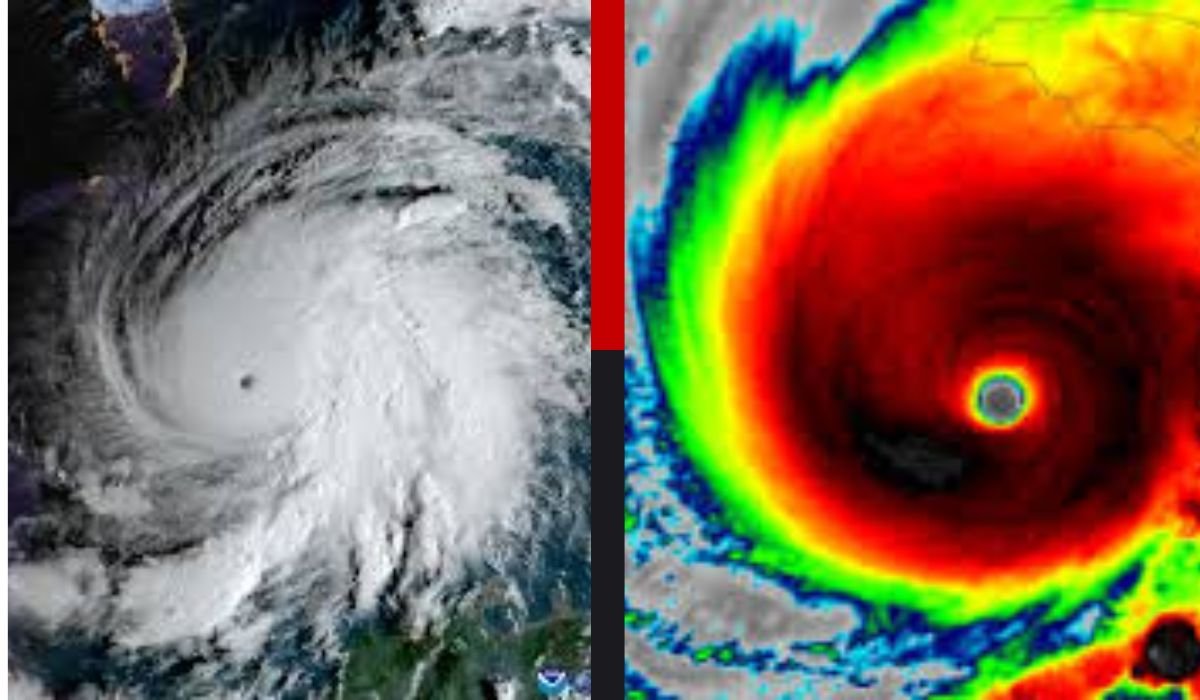
Hurricane Melissa stands out as one of the most extreme and destructive tropical cyclones ever recorded in the Atlantic Basin. Forming in October 2025, it quickly developed into a Category 5 hurricane and shocked meteorologists with its rapid intensification, record-breaking wind speeds, and catastrophic landfall in Jamaica. What made Hurricane Melissa especially significant was not just its strength, but also its timing during a period of unusually warm ocean conditions, which scientists later linked to Climate Change influences.
From Jamaica to Cuba, Haiti, the Bahamas, and Bermuda, Hurricane Melissa left a trail of devastation that affected millions of lives. This article explores the full story of Hurricane Melissa, including its formation, path, impacts, scientific importance, and long-term legacy in simple and easy-to-understand language.
Quick Bio Information: Hurricane Melissa Facts
Storm Name: Hurricane Melissa
Year: 2025
Season: Atlantic Hurricane Season 2025
Storm Type: Category 5 Atlantic Hurricane
Origin: Tropical Wave From West Africa
Formation Date: October 13, 2025
Tropical Storm Stage: October 21, 2025
Peak Winds: 190 mph (305 km/h)
Lowest Pressure: 892 mb
Landfall Location: Jamaica (Westmoreland Parish)
Jamaica Impact Level: Catastrophic
Cuba Impact Level: Severe Flooding And Winds
Haiti Impact Level: Deadly Flooding And Landslides
Bahamas Impact Level: Moderate To Severe
Bermuda Impact Level: Moderate
Total Deaths: Around 95
Estimated Jamaica Damage: $8.8 Billion
Climate Link: Intensified By Warm Ocean Temperatures
Name Status: Retired By World Meteorological Organization
Replacement Name: Molly (Starting 2031 Season)
What Is Hurricane Melissa And Why It Was So Important
Hurricane Melissa was a powerful Atlantic hurricane that became the strongest storm of the 2025–2026 hurricane season. It reached maximum sustained winds of around 190 mph and recorded extremely low central pressure, placing it among the most intense hurricanes ever observed.
What makes Hurricane Melissa important is its combination of strength, slow movement, and prolonged intensity. These factors allowed it to cause extreme destruction, especially in Jamaica, where it made landfall near peak strength. It is now widely studied as a reference point for understanding future extreme weather events in the Atlantic.
Formation Of Hurricane Melissa Over The Atlantic Ocean
Hurricane Melissa began as a tropical wave that moved off the coast of West Africa on October 13, 2025. As it traveled across the Atlantic Ocean, it gradually gained organization but remained weak for several days.
By October 21, the system strengthened enough to be classified as Tropical Storm Melissa. It then moved through the Caribbean Sea, where environmental conditions such as warm ocean waters and high humidity allowed it to develop further. However, its early movement was slow and unstable due to weak steering winds, which delayed its rapid growth until later stages.
Meteorological Conditions That Strengthened The Storm
The intensification of Hurricane Melissa was strongly influenced by unusual atmospheric and oceanic conditions. Sea surface temperatures in the Caribbean were significantly above average, reaching around 30 to 31 degrees Celsius. This provided enormous energy for the storm.
Low wind shear and high mid-level moisture also allowed the storm’s structure to remain stable. These conditions created the perfect environment for a tropical system to strengthen quickly. Meteorologists later noted that such a combination of factors is often associated with extremely powerful hurricanes.
Rapid Intensification Into A Category 5 Hurricane
One of the most remarkable aspects of Hurricane Melissa was its rapid intensification phase. Within just a short period, the storm transformed from a Category 1 hurricane into a Category 5 system.
Winds increased dramatically, and the central pressure dropped rapidly. This sudden strengthening surprised many forecasting models at the time. Hurricane Melissa eventually reached peak winds near 190 mph, placing it among the strongest Atlantic hurricanes ever recorded. Unlike many other storms, it did not undergo typical weakening cycles, which allowed it to maintain extreme strength for longer.
Path Of Hurricane Melissa Across The Caribbean
Hurricane Melissa followed a destructive path across the Caribbean Sea. After strengthening in the central Caribbean, it moved slowly toward Jamaica, where it made its first major landfall.
After Jamaica, the storm crossed into Cuba, bringing strong winds and heavy rainfall. It then moved through the Bahamas and later passed near Bermuda before transitioning into an extratropical system. Each region experienced different levels of impact depending on the storm’s intensity at the time of passage, but all areas faced significant disruption.
Jamaica’s Devastation From Hurricane Melissa
Jamaica experienced the worst impact from Hurricane Melissa. The storm made landfall in Westmoreland Parish as a Category 5 hurricane, bringing catastrophic winds, storm surge, and flooding.
Entire communities were heavily damaged or destroyed, especially in western Jamaica. Infrastructure collapse, roof loss, and widespread flooding affected towns like Black River and surrounding areas. Power outages and communication breakdowns made rescue and recovery efforts extremely difficult. Hurricane Melissa became the strongest hurricane ever recorded to hit Jamaica, leaving a lasting mark on the island’s history.
Impact On Cuba, Haiti, And The Dominican Republic
After leaving Jamaica, Hurricane Melissa continued to affect other Caribbean nations. In Cuba, it made landfall in the eastern region as a strong Category 3 hurricane, causing widespread flooding, landslides, and infrastructure damage.
Haiti experienced severe rainfall from outer rainbands, leading to deadly floods and landslides. Many communities were affected, especially in vulnerable mountainous areas. The Dominican Republic also faced heavy rainfall, damaged roads, and disrupted water systems, adding to the regional humanitarian crisis caused by the storm.
Effects In The Bahamas And Bermuda
As Hurricane Melissa moved northward, it weakened but still caused serious impacts in the Bahamas. Several islands experienced flooding, power outages, and structural damage. Strong winds also disrupted transportation and communication systems across the archipelago.
When the storm reached Bermuda, it had transitioned into a weaker but still powerful system. The island faced strong winds, scattered damage, and temporary power outages, but overall impacts were less severe compared to earlier landfalls.
Human Impact: Lives Affected Across The Region
Hurricane Melissa had a devastating human toll across the Caribbean. Nearly one hundred lives were lost, with Jamaica and Haiti reporting the highest number of fatalities. Many people were also injured or went missing during the storm.
Thousands of families were displaced as homes were destroyed or became uninhabitable. Emergency shelters were filled across affected regions, and recovery efforts took weeks to stabilize. The human impact of Hurricane Melissa highlighted the vulnerability of island nations to extreme weather events.
Economic Damage And Infrastructure Losses
The economic impact of Hurricane Melissa was enormous, especially in Jamaica, where losses reached billions of dollars. Entire sectors, including agriculture, tourism, and transportation, were heavily affected.
Thousands of homes, schools, hospitals, and businesses were damaged or destroyed. Agricultural production also suffered major losses, with crops and livestock heavily impacted. Infrastructure such as roads, bridges, and ports required extensive rebuilding, slowing down recovery efforts across the region.
Climate Change And Hurricane Melissa’s Strength
Scientists studying Hurricane Melissa found strong evidence linking its intensity to Climate Change. Warmer ocean temperatures played a major role in fueling the storm’s rapid intensification.
Research suggested that unusually warm waters were significantly more likely due to human-driven global warming. These conditions likely increased wind speeds and rainfall intensity, making the hurricane more destructive than it might have been in a cooler climate. Hurricane Melissa became an important case study in understanding the relationship between climate change and extreme weather.
Emergency Response And Early Warnings
Before landfall, governments across the Caribbean issued hurricane warnings, evacuation orders, and emergency alerts. Airports were closed, flights were canceled, and cruise ships rerouted to avoid the storm.
Emergency shelters were opened in Jamaica, Cuba, and other islands. Despite preparations, the extreme strength of Hurricane Melissa made it difficult to prevent widespread damage. Still, early warnings helped reduce the number of casualties in some areas.
International Aid And Recovery Efforts
After the storm passed, international aid quickly began arriving in affected countries. Governments, humanitarian organizations, and private donors provided financial assistance, food supplies, and medical support.
Major global institutions such as the World Bank and International Monetary Fund supported recovery programs. Relief efforts focused on restoring electricity, rebuilding homes, and providing clean water and healthcare services. Recovery is expected to take years due to the scale of destruction.
Legacy Of Hurricane Melissa And Its Retirement
Due to its extreme impact, the name Melissa was officially retired from the Atlantic hurricane naming list. This means it will never be used again for another storm.
Hurricane Melissa is now remembered as one of the most powerful and destructive hurricanes in modern history. Its legacy includes not only physical damage but also scientific lessons about climate change, disaster preparedness, and the increasing intensity of tropical cyclones.
Conclusion: Lessons From Hurricane Melissa
Hurricane Melissa serves as a powerful reminder of the strength of nature and the increasing risks posed by extreme weather events. Its rapid intensification, record-breaking winds, and widespread destruction highlight the importance of improved forecasting, stronger infrastructure, and global climate awareness.
As communities rebuild and recover, Hurricane Melissa remains a defining event in the 2025–2026 hurricane season. It also stands as a warning that future storms may become even more powerful if ocean temperatures continue to rise. Understanding Hurricane Melissa helps us prepare better for the future and strengthen resilience against similar disasters.
FAQs About Hurricane Melissa
What Was Hurricane Melissa?
Hurricane Melissa was a Category 5 Atlantic hurricane in 2025 that became one of the most powerful storms ever recorded, causing severe destruction in the Caribbean.
Where Did Hurricane Melissa Make Landfall?
It made its strongest landfall in Jamaica’s Westmoreland Parish before later affecting Cuba and other Caribbean islands.
How Strong Was Hurricane Melissa?
At its peak, Hurricane Melissa reached winds of around 190 mph with extremely low central pressure, making it one of the strongest Atlantic hurricanes ever recorded.
Why Was Hurricane Melissa So Destructive?
The storm’s rapid intensification, warm ocean waters, and slow movement allowed it to release extreme wind and rainfall over affected regions.
Did Climate Change Affect Hurricane Melissa?
Scientific studies suggest that warmer ocean temperatures linked to climate change helped increase the storm’s intensity and rainfall.
How Many People Were Affected By Hurricane Melissa?
Hundreds of thousands were affected across the Caribbean, with major impacts in Jamaica, Haiti, Cuba, and surrounding regions.
Why Was The Name Melissa Retired?
The name was retired due to the extreme destruction and loss of life caused by the hurricane, following World Meteorological Organization rules.
What Is The Legacy Of Hurricane Melissa?
Hurricane Melissa is remembered as a historic storm that highlighted the dangers of extreme hurricanes and the importance of climate resilience.
Please Read Also: Stranger Things Cast Explained: Where The Stars Are Now And What They’re Doing Next
